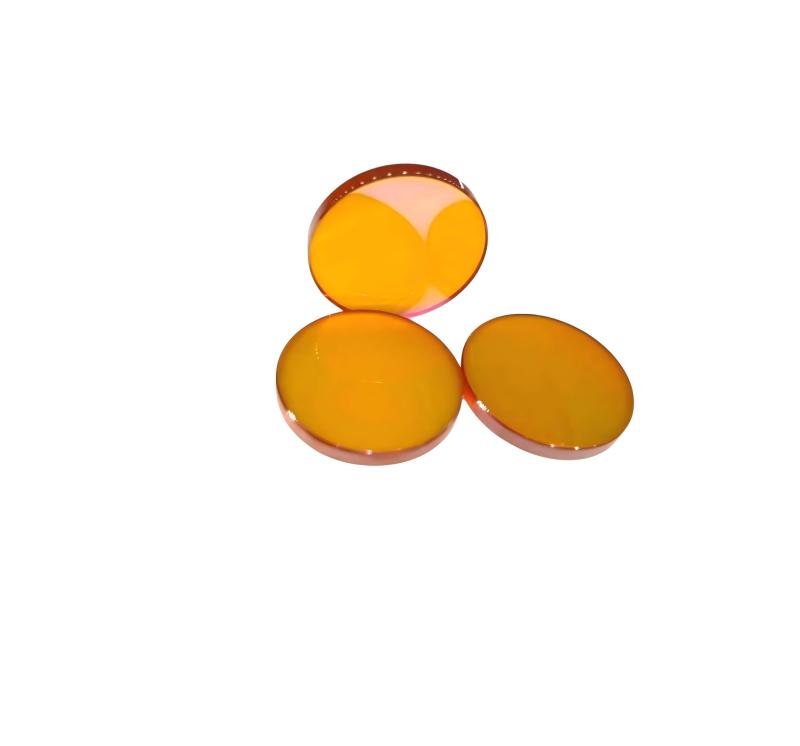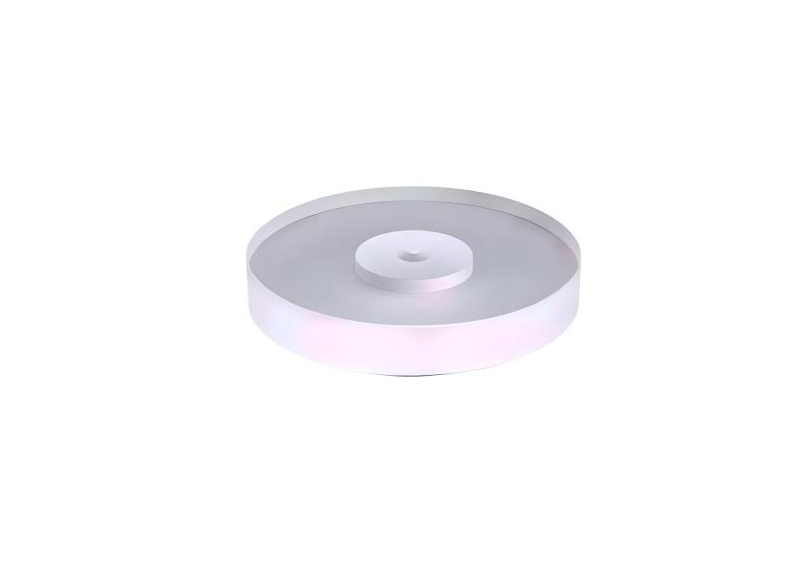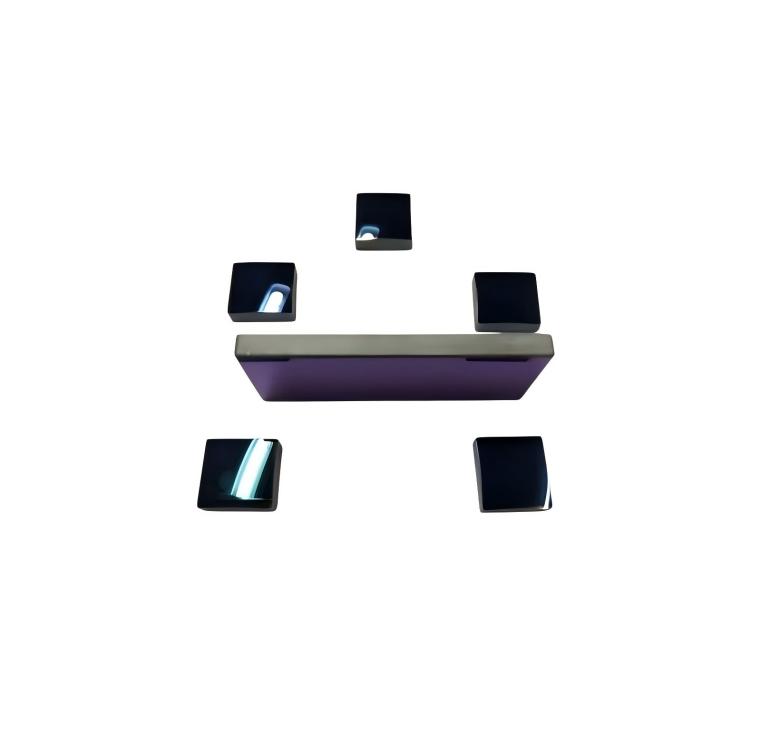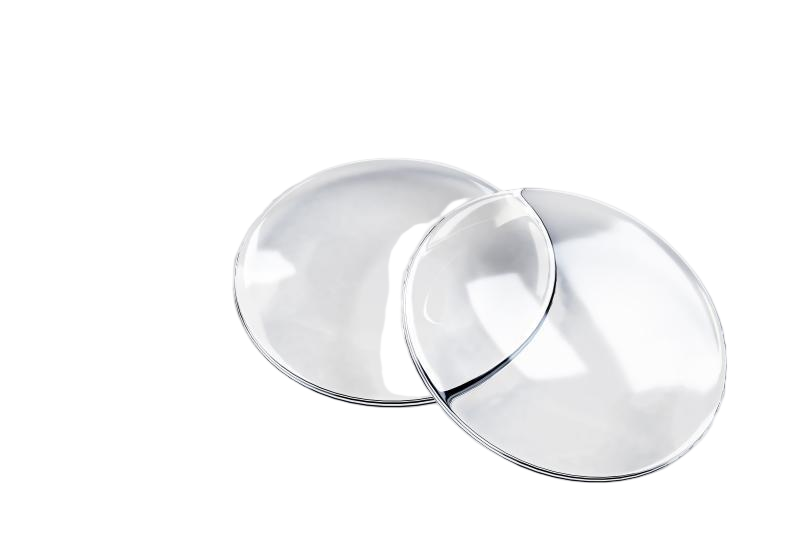
Your Best Custom infrared Optical components China Manufacturer

Coligh is specialized in optical filter components manufacturing, our products include lens, domes, windows, prisms and customer shaped parts. We specialized in infrared solution for infrared optical material、cold processing technique and custom thin film coating.

custom infared optical components -

Custom Infrared Optics Components Key Advantage

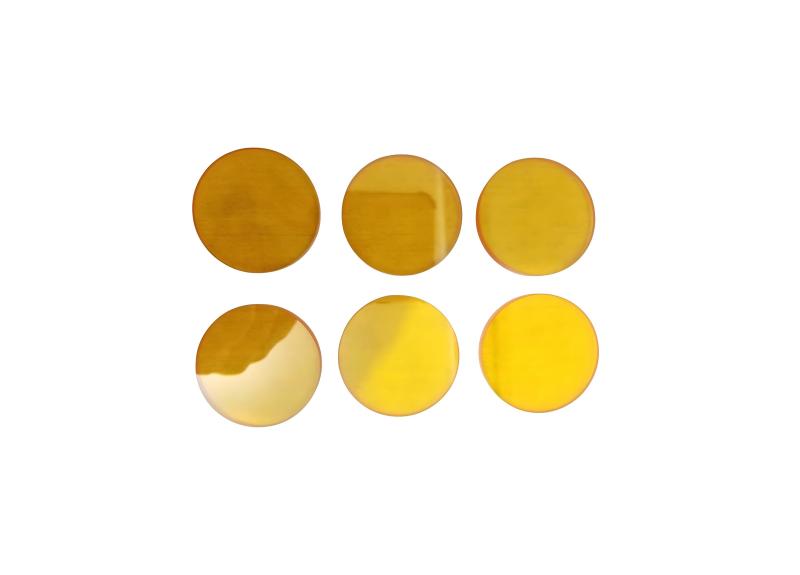
  • Rich selection of infrared materials: ZnS (zinc sulfide) ZnSe (zinc selenide) CaF₂ (calcium fluoride) BaF₂ (barium fluoride) MgF₂ (magnesium fluoride) Si (silicon) chalcogenide glass sapphire
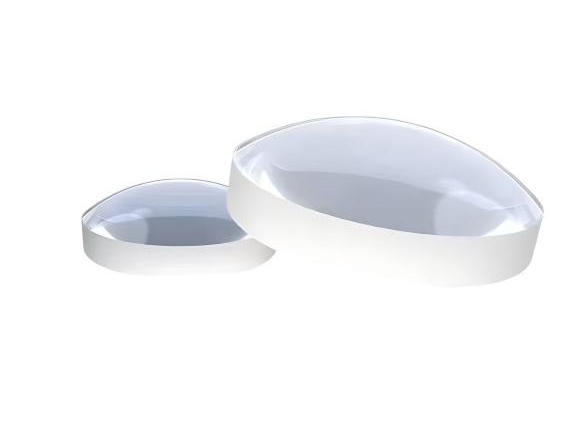
  • Excellent infrared optical parts manufacturing capabilities: various high-surface quality lenses, windows, domes, prisms, polished substrates, prisms, support special-shaped processing, step structures, through holes, bevels and other customized structures, can be customized to any shape
  • A variety of coating technologies are available: infrared anti-reflection film, beam splitter film, high reflection film, dichroic film, DLC protective film
  • Advanced cold processing capabilities: We can perform high-precision grinding, polishing, cutting and chamfering on a variety of optical materials, including sapphire, ZnS, ZnSe, CaF₂, BaF₂, MgF₂, fused quartz, K9 glass and single crystal silicon.
  • Precision Optical Surface Specification:Surface defects 10/20, parallel error 0.25”, RMS Full-aperture, up to 500-1000mm in size
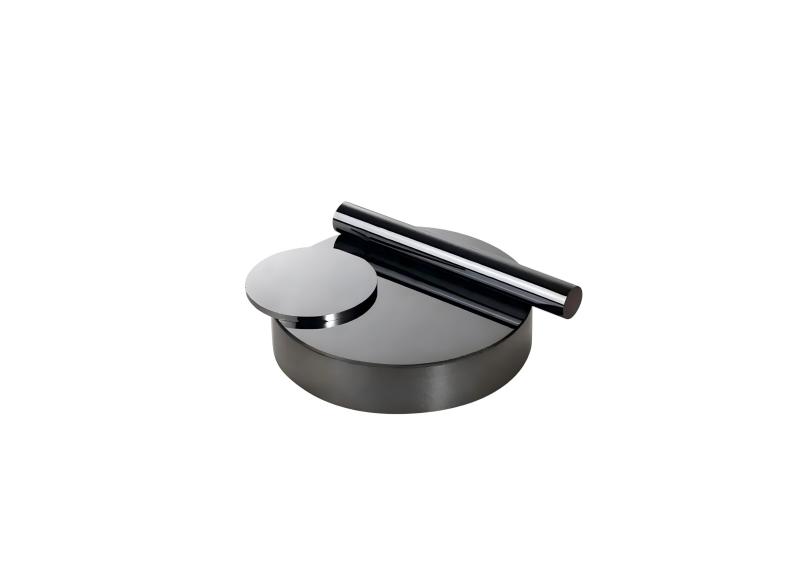
  • We can also provide high-hardness sapphire crystals and silicon crystals, and support customized processing of mid- and far-infrared chalcogenide glass

Custom Infrared Optical Components Core Capability

We possess advanced ultra-precision manufacturing and surface processing capabilities

  • Concentricity: ≤ 0.05 mm
  • Surface Quality: 10/20 (per MIL-PRF-13830B standard)
  • Parallelism Error: ≤ 0.25 arcsec
  • Wavefront Distortion RMS (Full Aperture): ≤ 13/60 nm
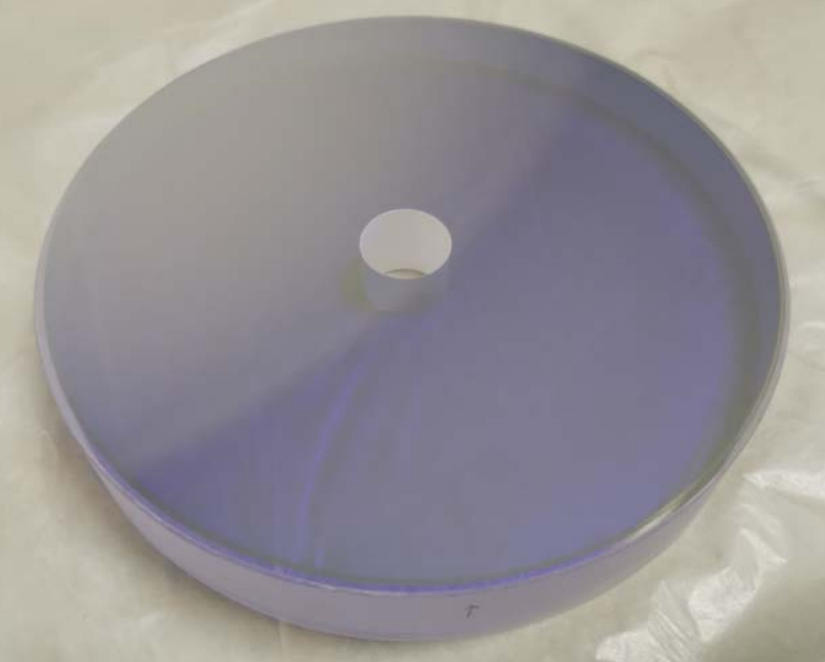
We possess advanced ultra precision manufacturing and surface processing capabilities -

Large-Aperture and Thick-Substrate Processing Capability

We manufacture infrared optical components in a wide range of sizes:

  • Diameter Range: Ø5 mm – Ø1000 mm
  • Thickness Range: 1 mm – 50 mm
  • Ideal for astronomy, aerospace, and other large-scale systems.
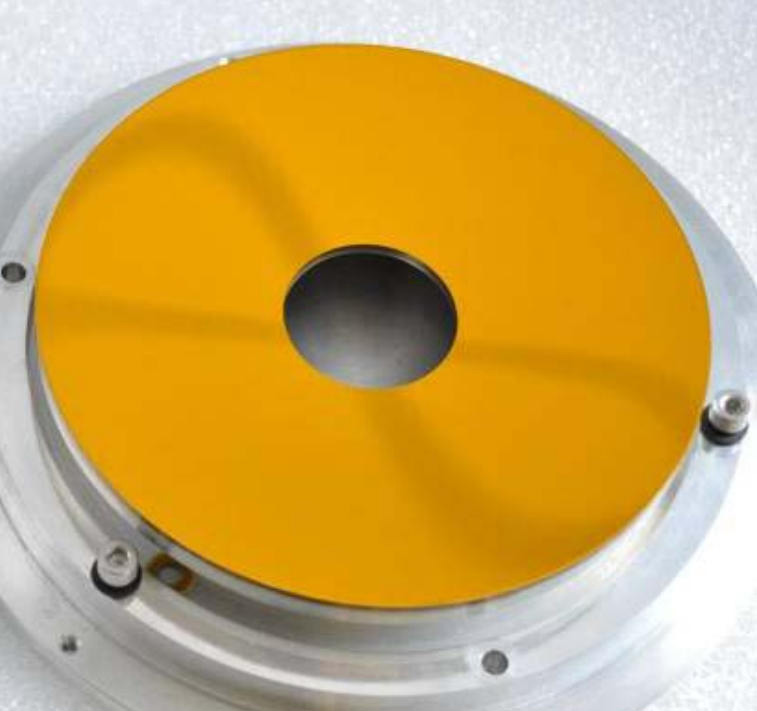
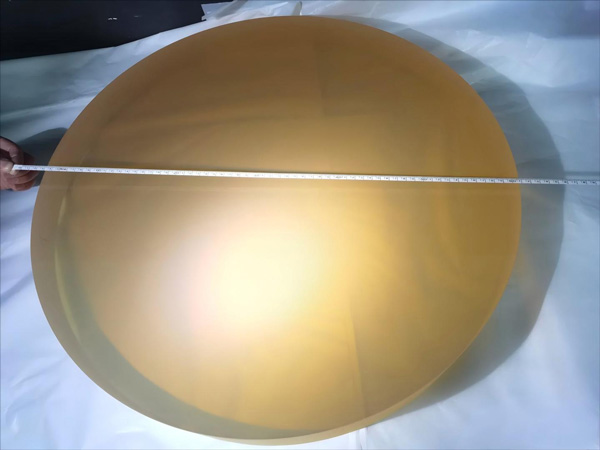
Large Aperture and Thick Substrate Processing Capability -

Custom Shapes and Structures

We support a wide range of customizable optical component shapes:

  • Available Shapes: Circular, square, rectangular, and irregular geometries
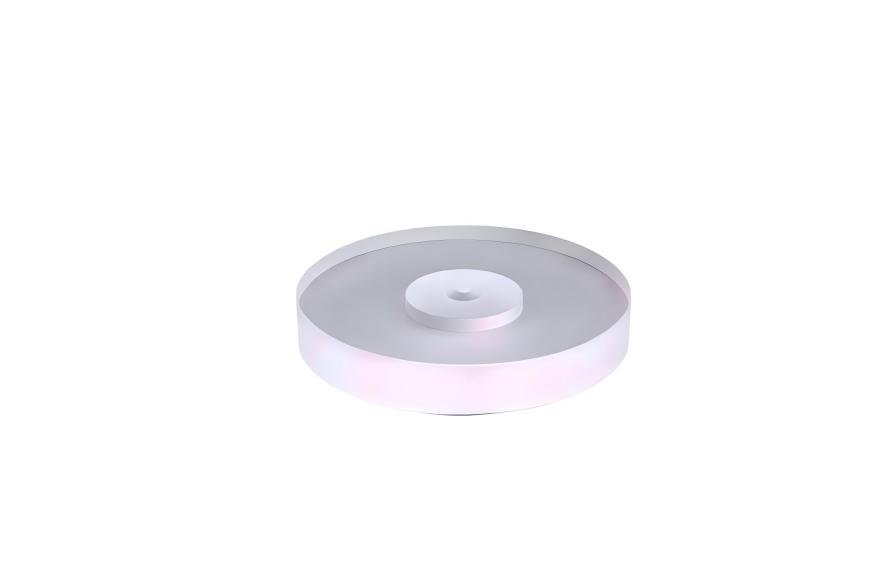
  • Special Options: Drilled holes, stepped structures, grooves, etc.
  • Customization Capability: Any shape can be fabricated according to drawings
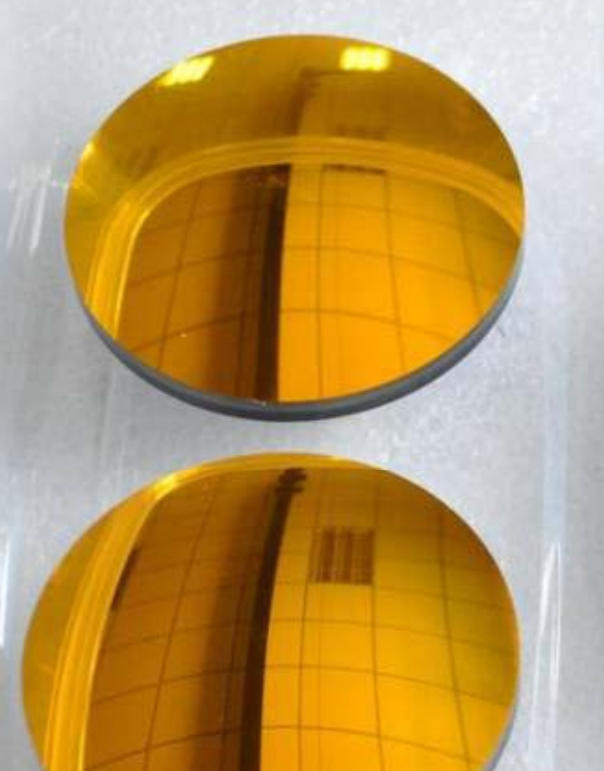
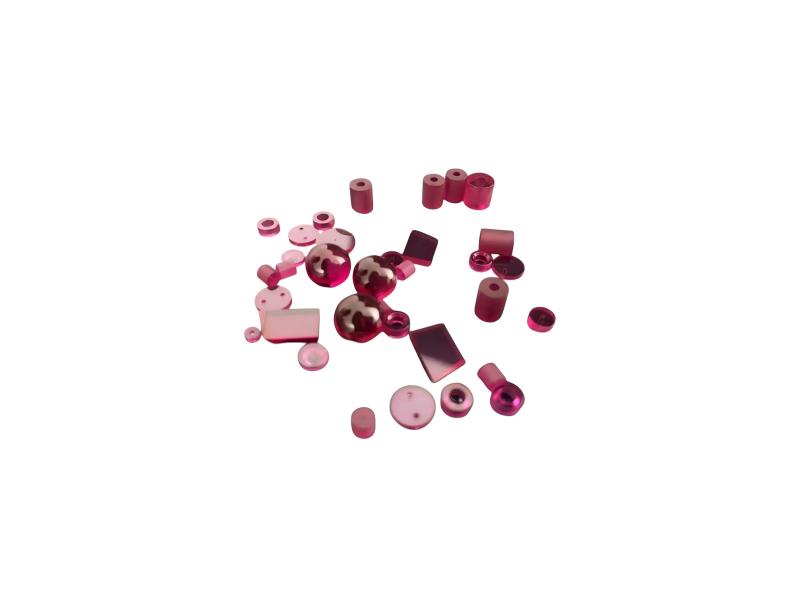
Custom Shapes and Structures -

Thin Film Coating Capability

We offer a variety of advanced coating solutions:

  •  EMI Shielding/ ITOCoatings
  • Diamond-Like Carbon Coatings (DLC)
  • Anti-Reflective Coatings (AR)
  • Beamsplitter and Filter Coatings
Thin Film Coating Capability -

Custom infrared Optics Guidance

-

Material Selection

The choice of material should be based on the spectral range, working environment, or the type of project. Suitable materials include sapphire, ruby, silicon, ZnSe, CaF₂, fused silica, chalcogenide glass, K9 glass, etc. If you’re unsure, you can tell us your requirements and we will recommend the appropriate material.

-

Dimensions and Shape

When selecting the size or shape of infrared optical components, the necessary information includes both shape and dimensional details. Shapes may include flat windows, domes, prisms, wafers, and custom geometries. Dimensional information includes diameter, height, thickness, and whether chamfers or holes are required.

-

Surface Treatment

Surface accuracy affects the performance of the optical system. Typical requirements include optical-grade fine grinding, rough grinding, optical polishing, surface quality, surface figure, and parallelism.

-

Thin Film Coating

Common infrared optical coatings include anti-reflection coatings (broadband or laser type), high-reflection coatings (metallic), beamsplitter coatings, and custom coatings. When confirming the coating type, it is also important to consider laser power, polarization, and angle of incidence.

Why choose Coligh For optical infrared Custom Fabrication & Rapid Prototyping

Prototyping Based on Drawings or Samples

We accept both technical drawings and physical samples for fast prototyping, enabling shorter development cycles and quick iteration.

Flexible Small-Batch Production

Ideal for R&D, low-volume orders, or custom projects—no minimum quantity required, with fast and flexible turnaround.

Fast Response to Complex Geometries

Advanced machining and polishing techniques allow us to deliver high-quality components with intricate shapes and precision features.

Support for Specialized Process Development

We work closely with clients to develop custom processes, such as freeform polishing, internal hole machining, thin-wall control, or hybrid material bonding.

Infrared Optical Components Applications
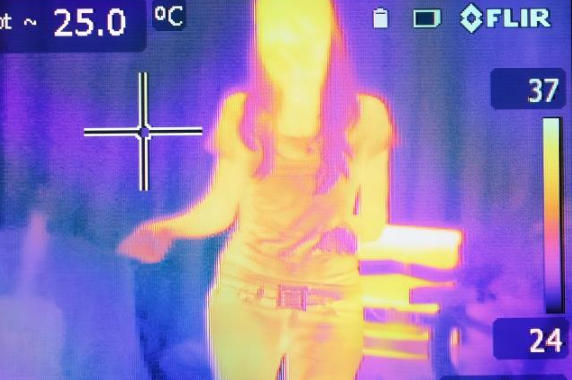
thermal imaging system -

Infrared Thermal Imaging Systems

Infrared optical components are used to collect, focus, and transmit mid- to long-wave infrared radiation naturally emitted by objects. They play a key role in applications such as security surveillance, medical diagnostics, scientific research, and remote sensing.

Infrared Laser Systems -

Laser Systems

In laser systems, infrared optical components efficiently transmit, focus, and modulate laser beams at specific wavelengths. These systems are widely used in industrial processing, aesthetic medical treatments, scientific research, and precision measurement.
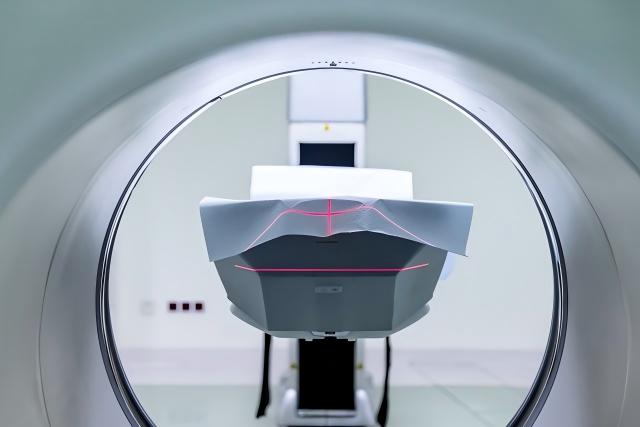
Infrared Medical Devices -

Medical Devices

Medical devices utilize infrared light for diagnostic and therapeutic purposes. Infrared optics are commonly used in thermal imaging diagnostic equipment, laser therapy systems, and instruments for spectroscopic analysis of biological tissues or pharmaceutical compounds.

infrared industrial inspection -

Industrial Inspection

By leveraging the characteristics of infrared light, non-contact and non-destructive quality control becomes possible. Infrared optical components are used in semiconductor inspection, online/offline material analysis, process monitoring, and defect detection.

FAQ

Infrared optical components are precision-engineered elements such as lenses, windows, domes, and prisms, designed to operate within infrared wavelength ranges (typically 0.75–14 μm). They are used in thermal imaging, IR spectroscopy, LiDAR, and medical systems.

Typical IR optical materials include:
Germanium (Ge) – High refractive index, 2–14 µm range
Zinc Selenide (ZnSe) – Broadband IR transmission, commonly used in CO₂ laser systems
Zinc Sulfide (ZnS) – Multispectral and IR thermal imaging
Calcium Fluoride (CaF₂) – Covers UV to mid-IR
Chalcogenide Glass – Wide IR range, ideal for low-cost thermal lenses
Silicon (Si) – Mid-IR range, lightweight and durable
Sapphire – Strong and IR-transmitting up to ~5 µm

Infrared optical coatings are thin-film layers applied to optical surfaces to enhance transmission, reduce reflection, or filter specific IR wavelengths. Common types include:

AR Coatings (Anti-Reflective)
High-Reflective Coatings
Bandpass or Longpass Filters
Coatings are optimized for IR bands (e.g., 3–5 µm, 8–12 µm) and must withstand high-power laser or harsh environmental conditions.

NIR: 0.75–1.4 µm
MIR: 1.4–5 µm
LWIR: 8–14 µm
Each band requires specific materials and coatings based on absorption, transmission, and thermal properties.

You need to consider:
Wavelength range
Optical transmission and refractive index
Thermal expansion and durability
Environmental conditions (humidity, temperature, abrasion)
If unsure, consult your optical supplier for material recommendations based on your system.

CVI Infrared Optics typically refers to IR optics manufactured by CVI Laser Optics or similar suppliers, known for high-quality laser-grade coatings and IR components. The term is often used when customers are looking for high-performance IR lenses, filters, or mirrors.

EO/IR systems integrate both visible (electro-optical) and infrared imaging. They are commonly used in defense, UAVs, and surveillance for target acquisition, night vision, and thermal detection.

Yes. Most manufacturers offer:
Custom shapes (domes, wedges, windows, prisms)
Specified coatings for exact IR bands
Small-batch prototyping for R&D or system integration
Customization may involve material selection, surface finish, and coating design.

Yes. Many IR materials (e.g., ZnSe, Ge) are soft or hygroscopic. Handling should be done with powder-free gloves in clean environments. Avoid harsh solvents, and use lens tissue with approved cleaners for IR surfaces.

Material absorption at IR wavelengths
Chromatic and thermal aberrations
Surface contamination sensitivity
Coating durability under IR laser power
High-performance systems require careful material, shape, and coating optimization.