Comprehensive Process Chain
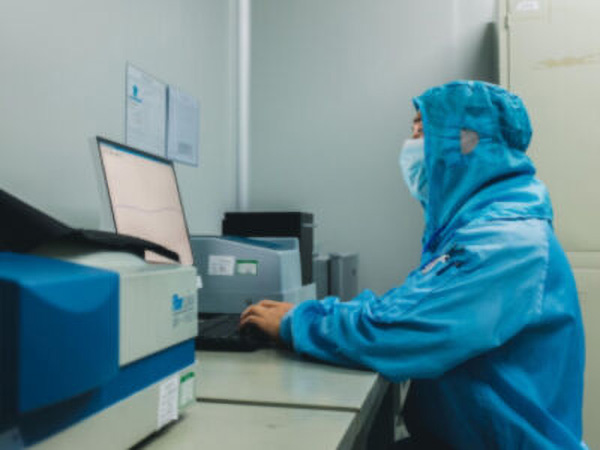
At Coligh Optics, we are committed to achieving unparalleled optical quality and precision optical filters in all our manufacturing processes.
- We maintain strict adherence to ISO 9001:2015 standards, incorporating comprehensive testing and quality control procedures with fully traceable and documented protocols.
- Each stage of our production process involves rigorous operator inspection to ensure that all optical components meet our exacting standards.
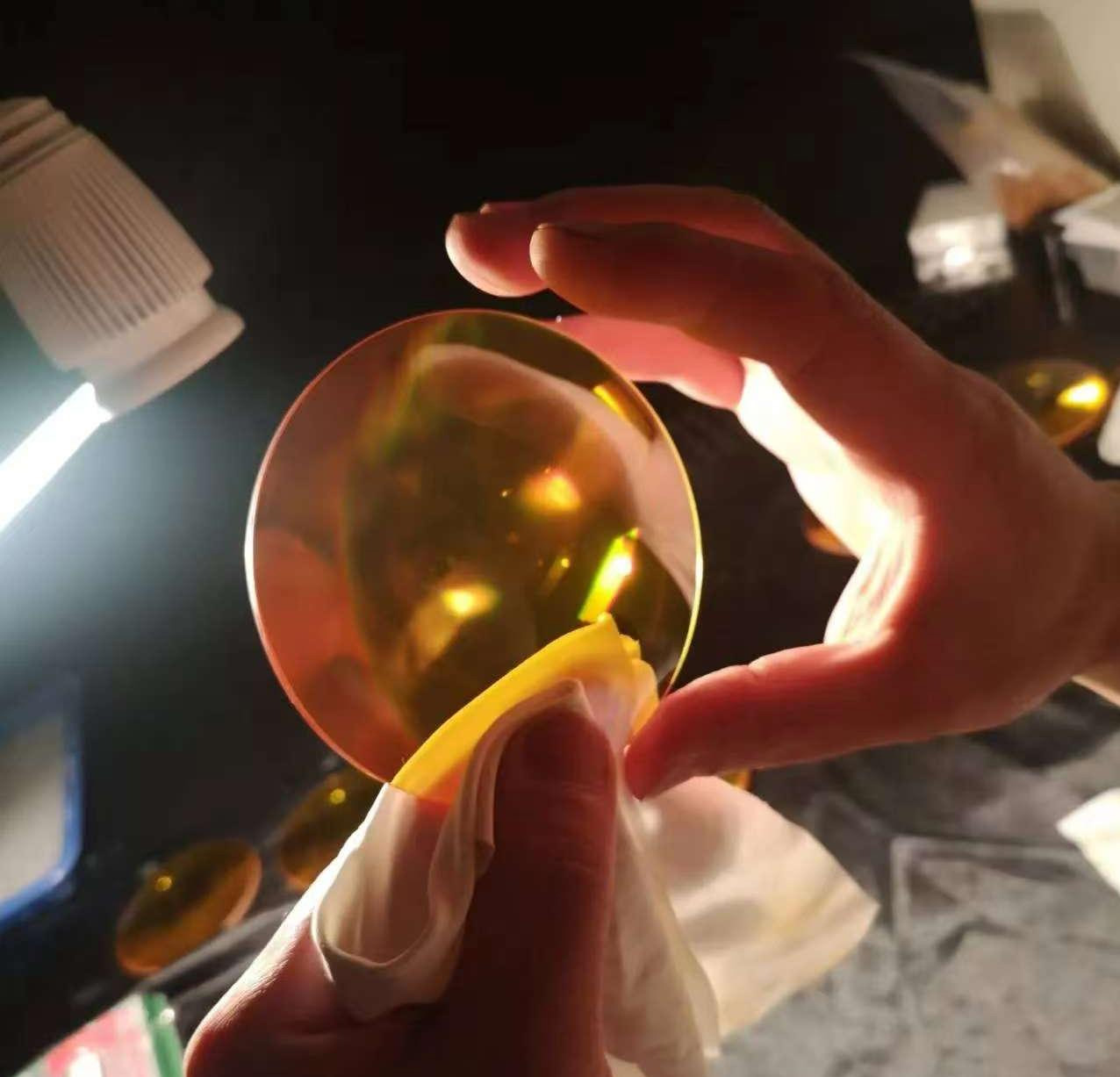
- To guarantee the highest quality standards, we conduct a thorough visual inspection of each optical component before dispatch to eliminate any material issues or surface defects.
- Our unwavering dedication to quality assurance ensures that our customers receive the best optical components available in the market.
Raw Materials
All materials required for manufacturing processes, such as unpolished and uncoated glass substrates, fused silica, monocrystalline silicon, infrared raw materials, etc., undergo rigorous inspection according to customer drawings and company inspection standards. This includes testing material transmittance curves, absorption peaks, absorption coefficients, etc., using Fourier Transform Infrared Spectrometers, and measuring refractive index and optical uniformity with interferometers. Any materials or batches failing to meet specifications for absorption peaks, tolerances, surface finish, surface profile, parallelism, or other quality requirements will be returned to the supplier in their entirety.
Grinding and Polishing
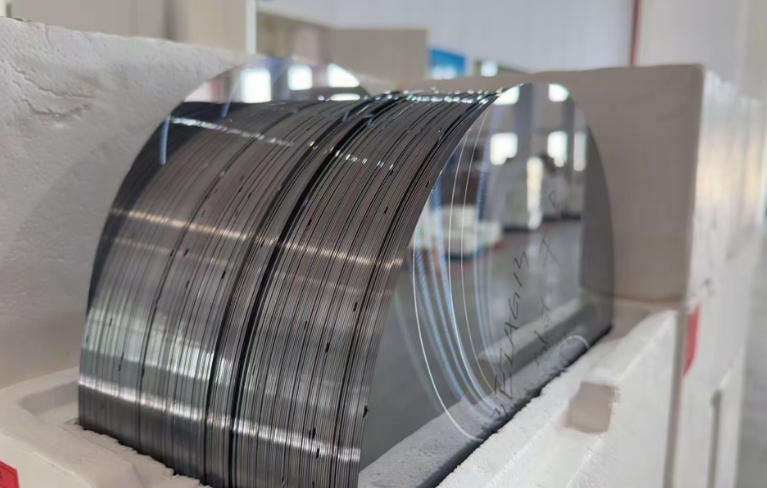
For all substrates, we utilize pre-cut, ground, and polished substrates from suppliers for some components, while others undergo in-house cutting, grinding, precision grinding, and polishing.
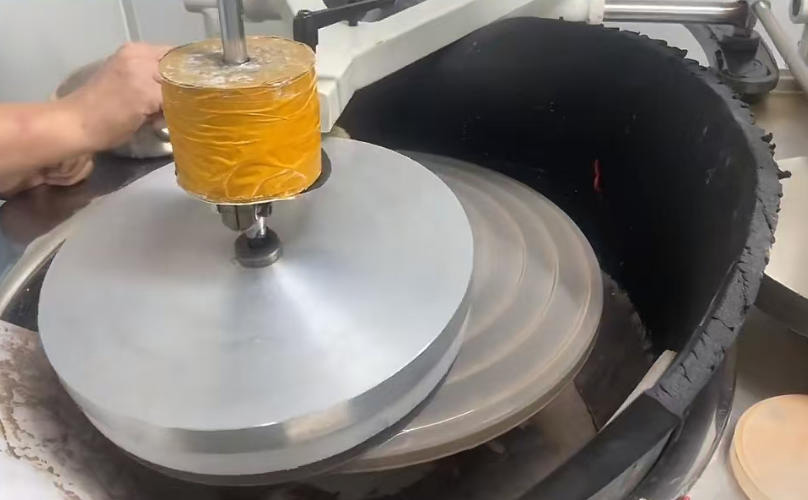
Turning and Grinding: We employ diamond wire cutting, achieving high-precision sectioning by controlling cutting speed and cooling conditions to effectively prevent material cracking. For complex surfaces like aspheric and freeform surfaces, we combine CNC grinding with precision polishing for finishing. All substrates undergo rough and precision grinding by experienced operators using advanced equipment such as CNC spherical grinders and aspheric grinders, including planar grinding and spherical grinding.
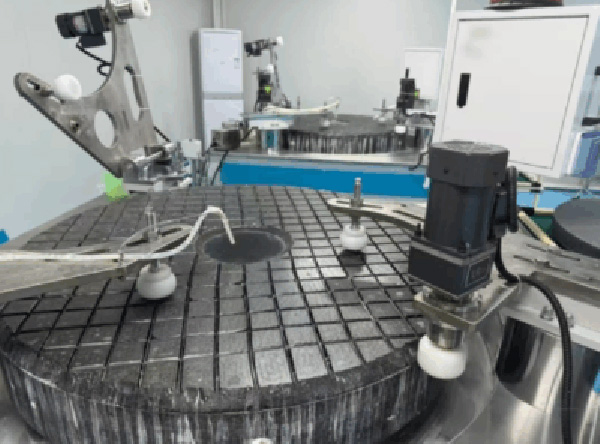
Polishing: We currently perform final surface polishing on infrared optical components, encompassing flat polishing, spherical polishing, and aspheric polishing. CNC aspheric polishing enables high-precision finishing for aspheric optical elements while controlling geometric errors in spherical, aspheric, and freeform surfaces.
Inspection
Coordinate measuring machines can scan and measure the surfaces of infrared optical components along the X, Y, and Z axes, thereby measuring the diameter, thickness, edge length, parallelism, perpendicularity, concentricity, and positional tolerances of various optical windows, lenses, and prisms.
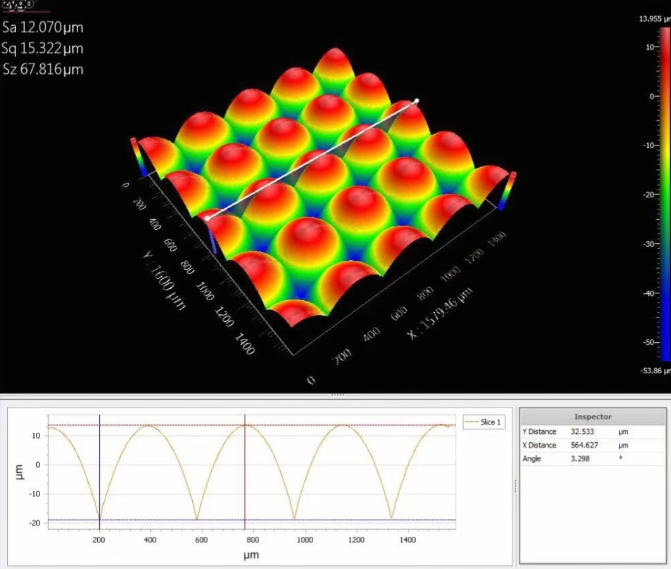
Profile Tracer: Precisely measures local contour curves, curvature radii, curvature distribution, step heights, notches, pits, edges, and surface topography (e.g., localized roughness, waviness) of aspheric lenses and aspheric window plates. Simultaneously, it can precisely capture the three-dimensional surface profiles of microarray lenses, DOEs, and gratings, measuring the shape, curvature, steps, and interface curves of surface microstructures.
Spherometer: Measures the spherical radius, center position, central thickness, edge thickness, surface irregularities, or machining marks of spherical lenses and infrared domes.
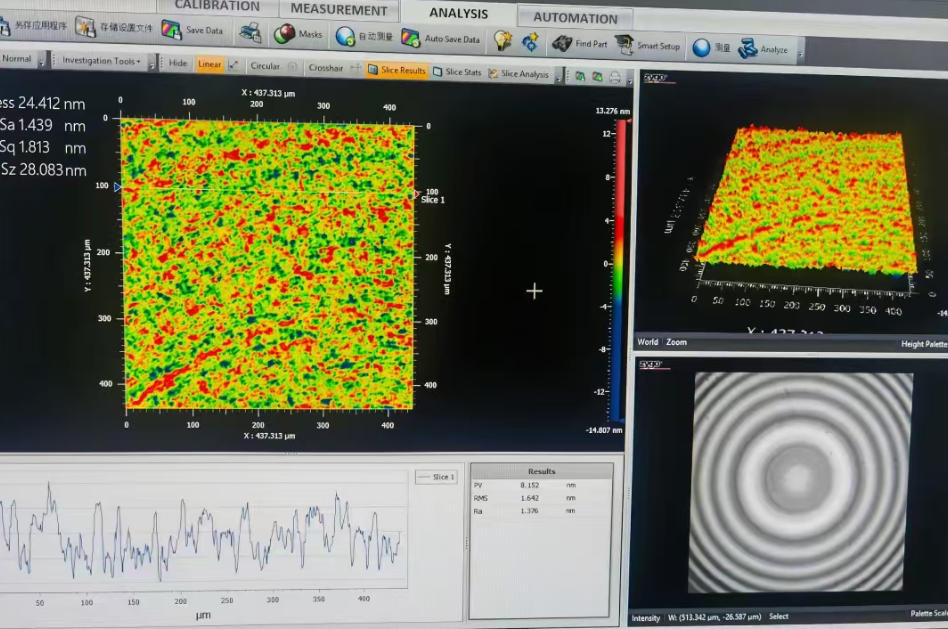
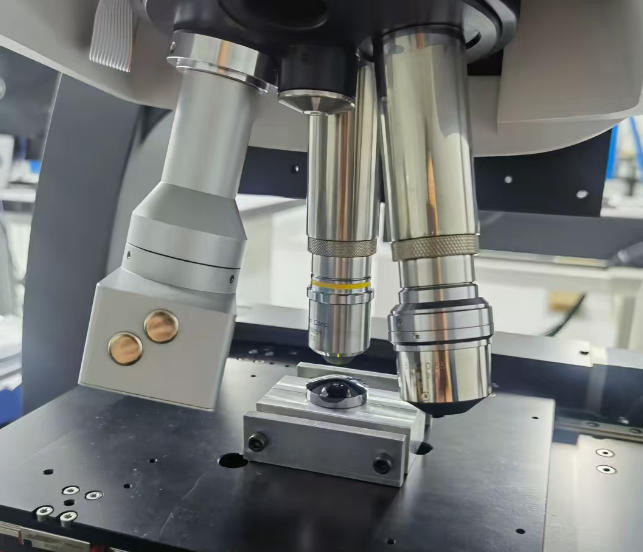
Interferometer: Detects and analyzes surface errors, measures curvature and spherical aberration, calculates uniformity, parallelism, wavefront error, and optical phase uniformity for filters, window plates, and microarray lenses.
Step Gauge: Measures step height/microstructure height of microarray lenses, DOEs, and gratings, such as: – Bump height of microlens arrays – Microstructure depth on DOE surfaces – Line height of grating patterns
Surface quality inspection
Inspection Procedure:
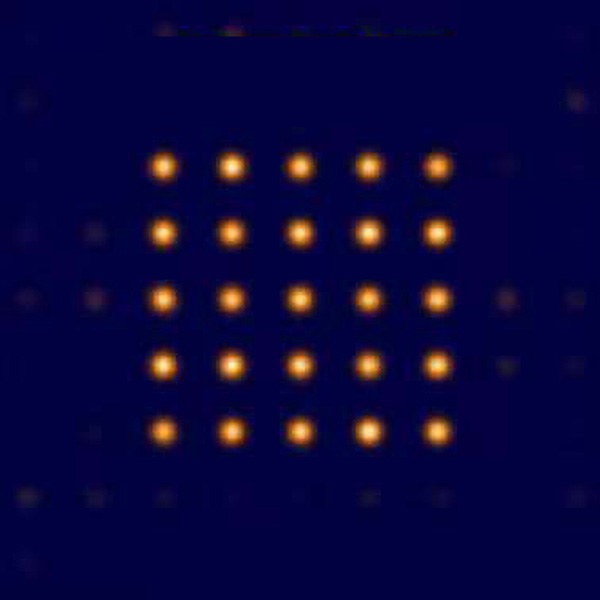
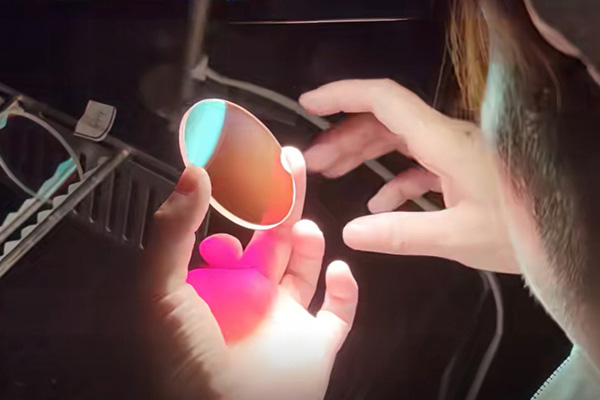
According to the U.S. military standard MIL-PRF-13830B, a visual inspection is first performed on an optical inspection bench. This includes checking whether the surface of the optical filter is flat, and whether there are scratches, bubbles, impurities, chipping, or other defects, to ensure its appearance quality and light transmission performance.
For filters requiring high surface quality, a metallurgical microscope is used for high-precision inspection. The microscope allows clear observation of scratches, pits, depressions, and any contaminating particles on the filter surface.
Precision Coating
Experienced coating engineers adjust process parameters based on optical design and material properties, operating advanced coating equipment such as vacuum evaporation, electron beam evaporation, ion-assisted coating, or magnetron sputtering systems. This ensures the superior optical performance, uniformity, and stability of coatings on these optical components.
Spectral Testing
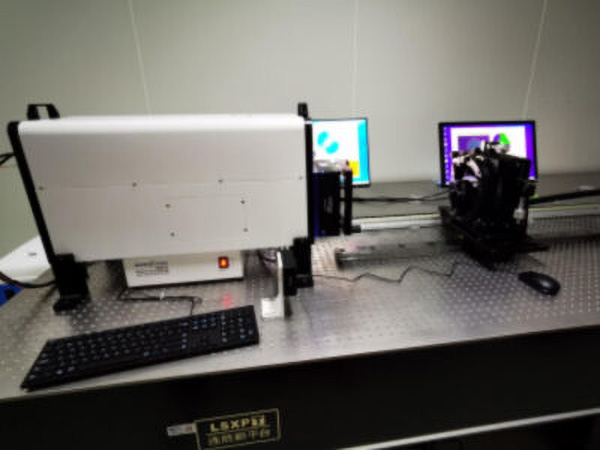
Optical coating inspection parameters for microarray lenses, diffractive optical elements (DOEs), gratings, optical filters, and infrared optical components typically include design wavelength, center wavelength, FWHM, transmittance, transmittance peak, cutoff depth, incident angle, and reflectance.
We utilize FTIR spectrometers, Agilent Cary 5000 UV-VIS-NIR spectrophotometers, and Shimadzu spectrophotometers to measure their critical parameters. The wavelength detection range extends into the far-infrared spectrum with exceptional resolution of 0.08 nm, and cutoff depth can be measured up to OD8 and beyond.
Additionally, for filter reflectance testing, the Agilent Cary 5000 can measure reflectance up to >99.9%. It features continuously adjustable incidence and reflection angles from 5° to 80° and can distinguish between S-polarized and P-polarized reflectance.