Custom Infrared Silicon Aspherical Lenses
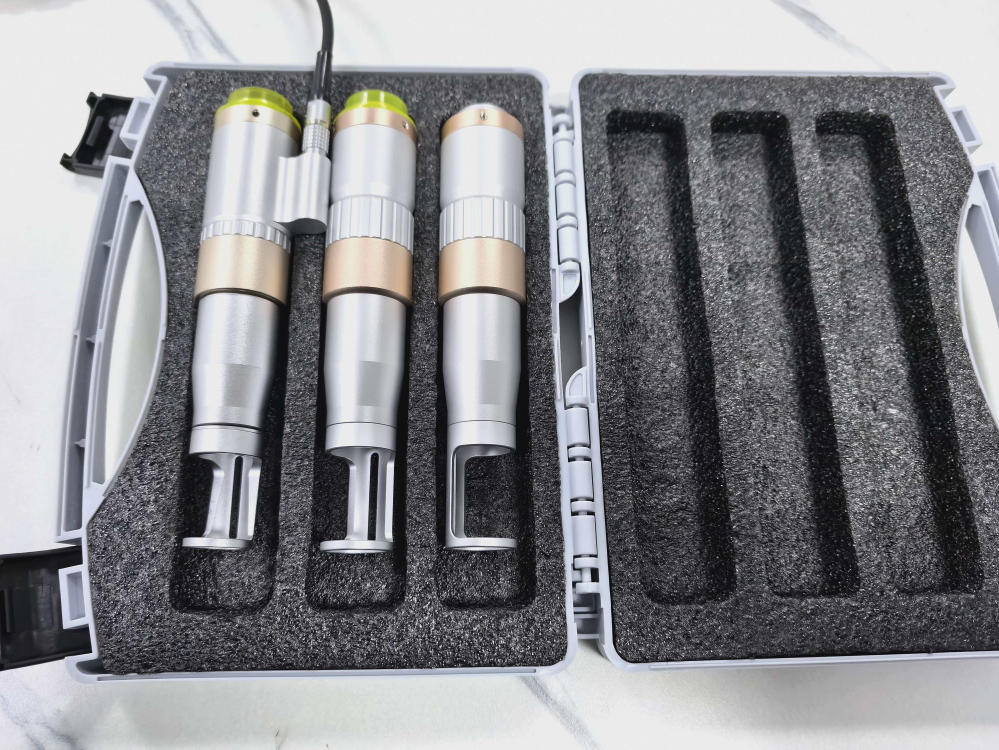
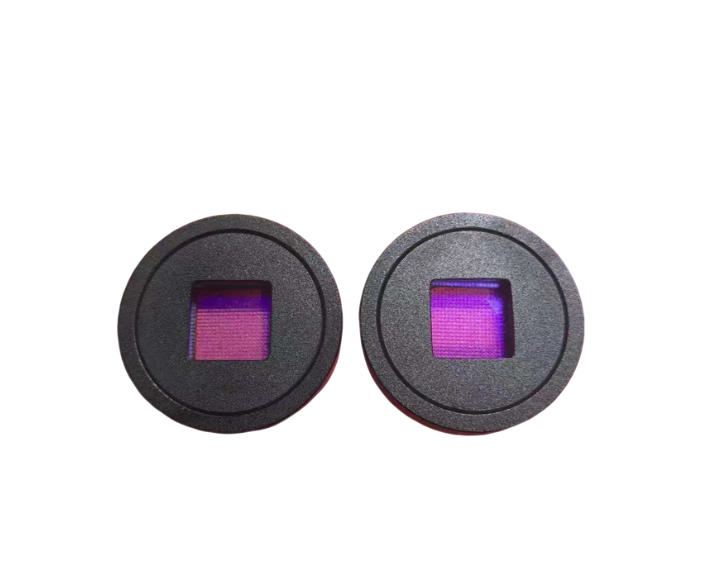
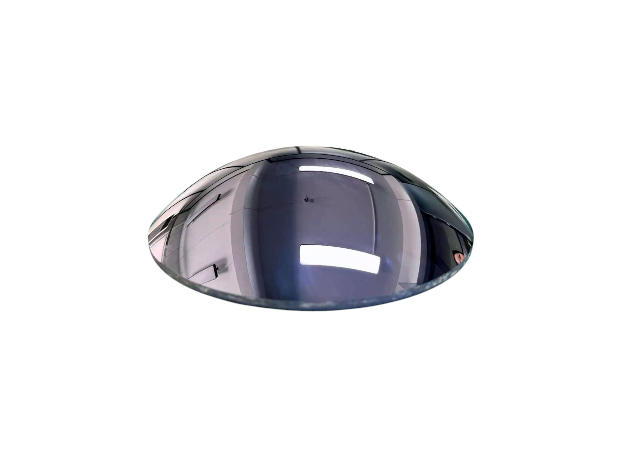
Infrared silicon aspheric lenses are optical lenses featuring complex surfaces defined by aspheric equations. Coligh is the manufacturer of size below 500mm aspherical silicon lens.
Infrared Silicon Aspherical Lenses Product Overview
Infrared silicon aspheric lenses are optical lenses featuring complex surfaces defined by aspheric equations. They are manufactured from single-crystal silicon through precision machining. Coligh is a Chinese manufacturer of infrared silicon aspheric lenses, capable of producing aspheric lenses smaller than 500mm. Unlike traditional spherical lenses, silicon aspheric lenses can precisely shape light-gathering surfaces to eliminate aberrations. Additionally, they deliver smaller spot sizes and superior contrast.
Infrared Silicon Aspherical Lenses Characteristic
Silicon is classified as an infrared optical crystal in the field of optics, with its physical properties endowing it with numerous irreplaceable characteristics.
- Silicon exhibits high transmittance across the short-wave infrared to mid-infrared range from 1.2 to 7 micrometers, forming the core wavelength band for thermal imaging systems.
- Additionally, silicon is lightweight and possesses high hardness, making it a viable replacement for fragile germanium. This enables the miniaturization and lightweight design of optical systems.
- Silicon exhibits a low thermal expansion coefficient and exceptional thermal conductivity. Among all infrared optical materials, silicon possesses the highest thermal conductivity, making it highly suitable for heat dissipation and maintaining stability under varying temperatures.
- Silicon is exceptionally well-suited for high-power lasers. Consequently, infrared silicon aspheric lenses can be effectively utilized for focusing and collimating mid-infrared lasers.
Advantage Of Coligh Infrared Silicon Aspherical Lenses
Coligh specializes in manufacturing high-end infrared optical components. With advanced machining centers and standardized production lines, we ensure every delivered lens exhibits exceptional consistency.
- We adhere to stringent inspection standards, guaranteeing each silicon lens serves as the finest substrate.
- Our aspheric lens processing capabilities lead the industry, delivering ultra-high surface precision and minimal surface roughness.
- We offer coating services for silicon lenses, including but not limited to mid-infrared anti-reflective coatings and spectral-selective coatings.
- Our comprehensive inspection equipment—including laser interferometers, profilometers, and spectrophotometers—enables 100% verification of each shipped lens’s surface profile, focal length, radius of curvature, and spectral transmittance.
Custom Capability Of Infrared Silicon Aspherical Lenses
| Custom Items | Custom Capability Range |
|---|---|
| Material | Optical single-crystal silicon |
| Size Range | Dia5mm to Dia500mm, any size |
| Focal Length | Short Focal Length, Long Focal Length |
| Shape Process | Aspherical |
| Scratch Dig | 80/50-10/5 (MIL-PRF-13830B ) |
| Concentricity | 0.05mm |
| Surface Figure | 20/10. |
| Irregularity | 1/4λ |
| Parallism | 30'' |
| Thin film Coating | Anti-reflective, DLC, ITO, HR thin film coating |
| Coating Transmitance | ≥ 99% (400nm – 12000nm) |
Applications Of Infrared Silicon Aspherical Lenses
- Thermal Imaging Systems
In military, security, firefighting, and industrial inspection applications, silicon aspheric lenses serve as core objective or condenser lenses within thermal imaging systems. They collect infrared radiation emitted by target objects and focus it onto infrared detectors. By eliminating spherical aberration, these lenses deliver clearer thermal images with enhanced detail. - 1550nm Lidar
Silicon exhibits high transmittance at the 1550nm wavelength band. Silicon aspheric lenses can function as collimating and focusing lenses for both the transmitter and receiver ends of lidar systems, collimating the laser beam into parallel light for emission and focusing the faint returning signal. Silicon’s inherent high thermal conductivity also aids in dissipating heat generated by the laser, ensuring stable performance in temperature-varying environments. - Infrared Medical Lasers
Carbon dioxide lasers operate at 10.6μm, widely used in cutting, welding, and medical aesthetics. Silicon aspheric lenses serve as focusing elements on laser working heads or as collimating lenses at laser output ports, concentrating beams into precise spots while withstanding high-power laser applications.