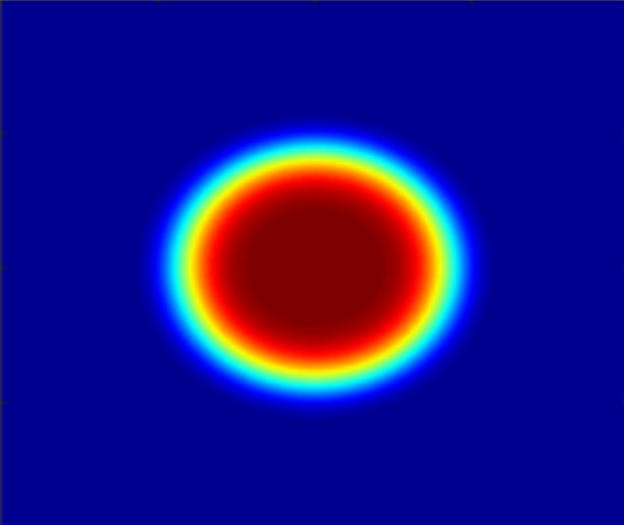
Top Hat Beam Shapers
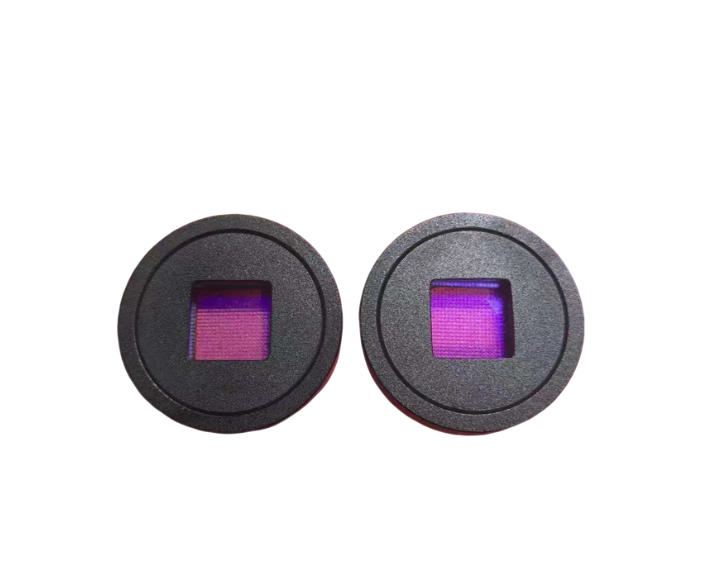
The Top Hat Beam Shapers Coligh manufactures is a diffraction beam shaping element that utilizes the principles of diffraction to control the diffraction interference of light, transforming an input Gaussian beam with strong center and weak edges into a flat-top beam with uniform intensity and sharp edges.
Top Hat Beam Shapers Description
The Top Hat Beam Shapers Coligh manufactures is a diffraction beam shaping element that utilizes the principles of diffraction to control the diffraction interference of light, transforming an input Gaussian beam with strong center and weak edges into a flat-top beam with uniform intensity and sharp edges.
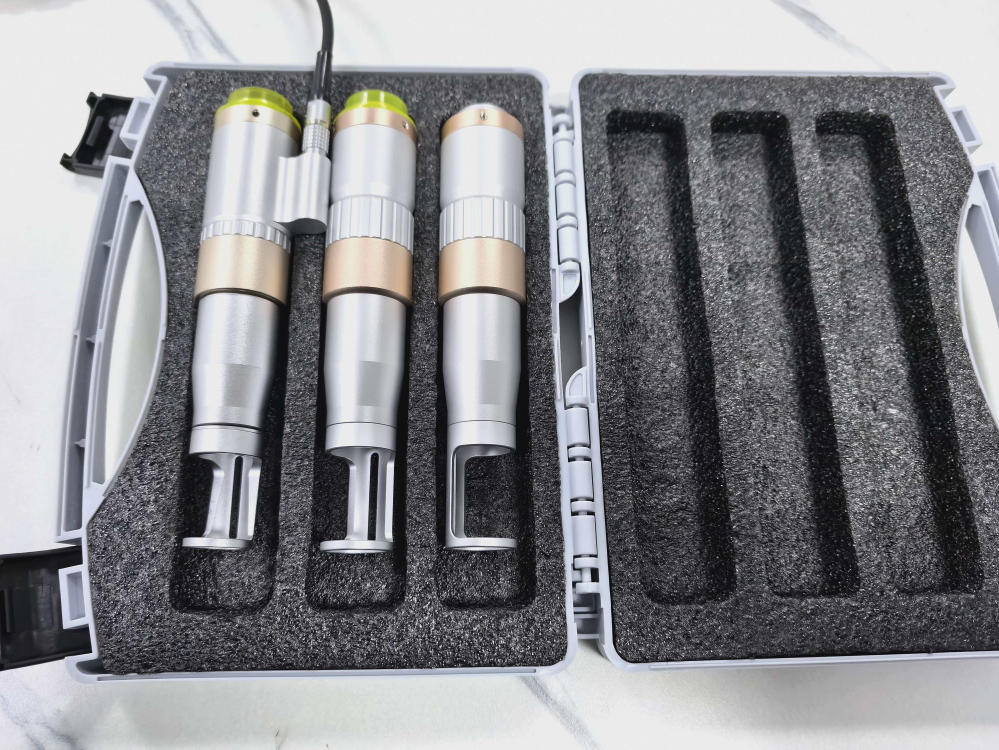
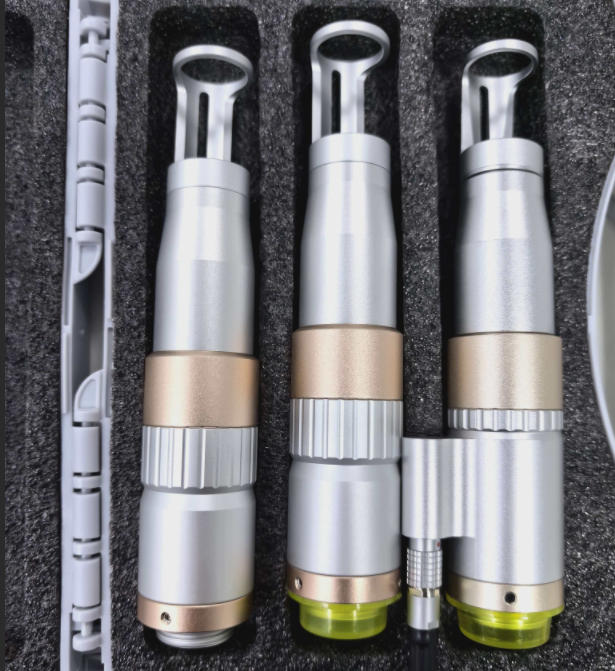
Top Hat Beam Shapers are commonly used in laser micromachining, laser welding, semiconductors, and medical skin laser treatments applications.
Top Hat Beam Shapers Product features:
- 1. Uniform Light Intensity Distribution: The flat-top beam output by the Top Hat Beam Shaper boasts nearly uniform light intensity at the center and edges, ensuring a consistent beam spot from design simulation to actual production. Furthermore, the transition period from high to low intensity is very narrow, minimizing the thermal impact zone.
- It can be designed for single Gaussian or multimode beams and can be used with different collimators and beam expanders to match different lasers.
- We have designed Top Hat Beam Shapers for different wavelengths, with the most commonly designed wavelengths being 1064nm, 755nm, and 532nm. We currently produce a circular beam spot shape, but we can also customize various shapes, including circular, square, rectangular, and annular.
Top Hat Beam Shapers Coligh’s Design and Simulation

Coligh Top Hat Beam Shaper Custom Capability
| Customization Item | Description and Options |
|---|---|
| Working Wavelength | Can be designed for single or multiple wavelengths, covering 200 nm – 20 μm (e.g., 1064 nm, 755 nm, 532 nm, etc.) |
| Input Beam Parameters | Adapt to different laser outputs: beam diameter, mode quality (M²), divergence angle, intensity distribution (Gaussian, quasi-Gaussian, multimode, etc.) |
| Output Beam Shape | Circular, square, rectangular, ring-shaped, and other custom special shapes |
| Beam Size | Can be customized according to customer size requirements |
| Uniformity Level | Typically ±5% uniformity, can be adjusted based on customer precision requirements |
| Edge Steepness | Edge transition zone customizable, usually 2%–5% of beam diameter, adjustable according to customer needs |
| Structure | Diffractive DOE type |
| Material | Fused silica and silicon, can also be selected according to customer requirements |
| Coating | Anti-reflection coating within the 200 nm – 20 μm range |
| Working Distance | Freely adjustable output working distance, compatible with far-field/near-field optical designs |
| Power Handling Capacity | Supports from mW-level to kW-level lasers |
Top Hat Beam Shaper Application
- Laser Cutting: In laser processing, excessive energy at the center of a Gaussian beam can cause material ablation, while insufficient energy at the edges can affect processing depth uniformity. A flat-top beam shaper can convert a Gaussian beam into a flat-top beam with uniform energy distribution. The flat-top beam can also be customized to meet diverse needs with varying sizes and shapes.
- Medical Lasers: In medical applications, Gaussian beams can easily lead to localized excess energy, causing tissue damage. Flat-top beams can evenly distribute energy. Integrating a flat-top beam shaper into medical laser equipment allows for adjustment of the spot size to suit different treatment areas, resulting in more uniform laser cosmetic effects.
- Laser Fluorescence Microscopy: Gaussian beams can lead to uneven illumination in microscopic imaging, affecting image quality in confocal microscopy. Flat-top beam shapers can be combined with spatial light modulators (SLMs) to achieve customized illumination patterns, improving image quality.