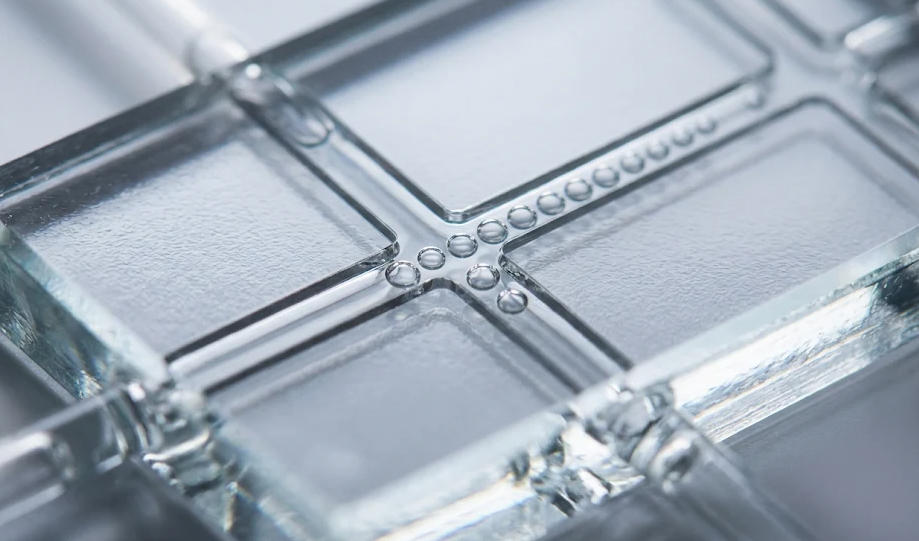
Glass Droplet Microfluidic Chips Substrate
Coligh customs and manufactures Glass Droplet Microfluidic Chips Substrate.Custom glass droplet chip from prototype building to prototyping.
Glass Droplet Microfluidic Chips Substrate Product Discription
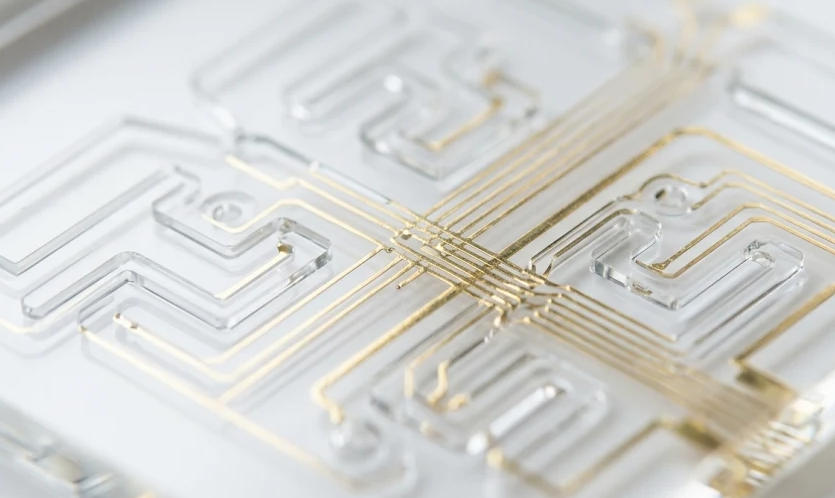
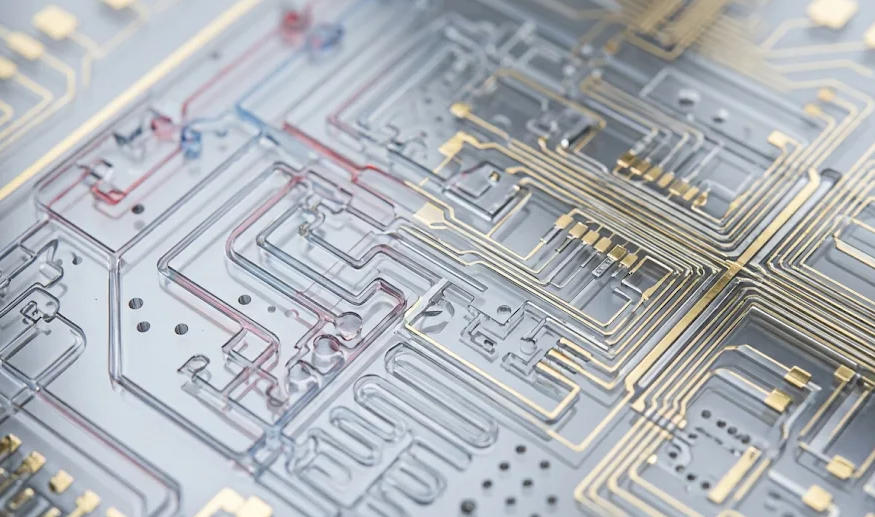
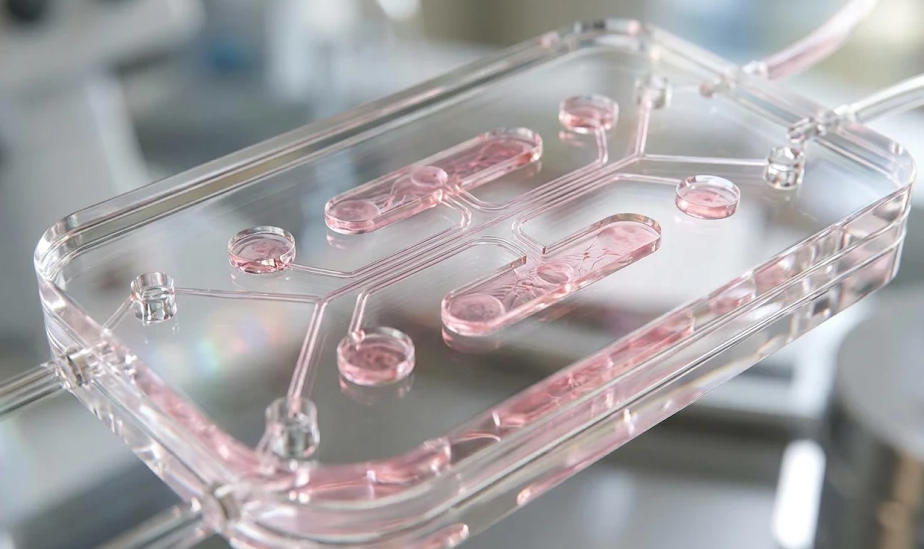
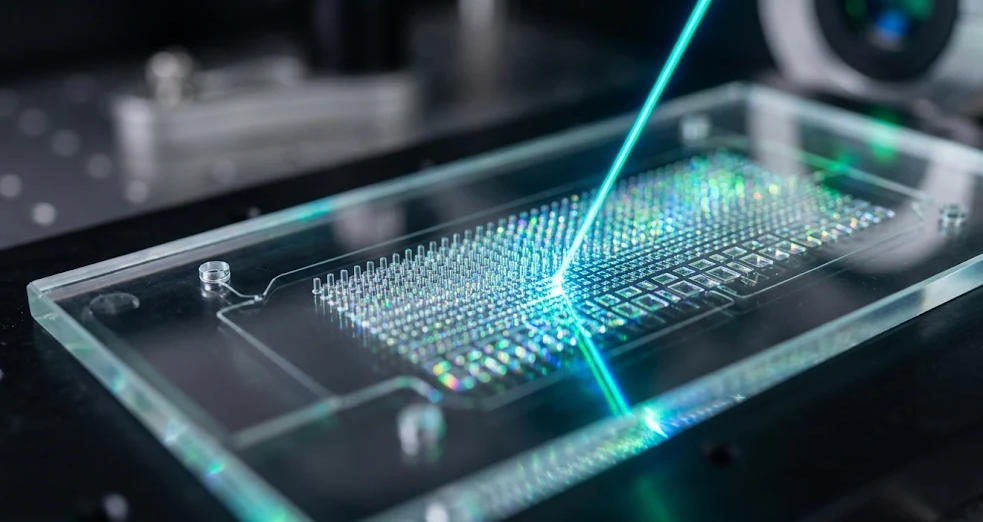
Glass substrates for droplet microfluidic chips serve as a critical foundation, enabling the generation and manipulation of tiny droplets within microchannels. These chips are primarily utilized in applications such as digital PCR, single-cell analysis, drug screening, and high-throughput screening.
We manufacture glass substrates for droplet microfluidic chips, offering materials such as borosilicate glass 3.3 and quartz (fused silica). Our designs support various droplet-generation geometries—including flow-focusing, T-junction, and co-flow configurations—along with custom microchannels, detection chambers, reservoirs, through-holes, optical windows, and fluidic interfaces. We provide a comprehensive suite of processing capabilities, including wet etching, laser cutting, CNC machining, drilling, glass-to-glass thermal bonding, glass-to-silicon anodic bonding, surface treatments (hydrophilic/hydrophobic), and silanization or specialized coatings. We support the entire product lifecycle, from initial prototyping to full-scale batch production.
Droplet microfluidic glass chip Product Key Features
- Under the influence of high-pressure injection pumps, glass substrates exhibit virtually zero deformation—an improvement over PDMS, which tends to expand and cause droplet distortion under high pressure.
- Glass features low autofluorescence across the UV to near-infrared (NIR) spectrum, offers high transmittance from the visible to the NIR range, and maintains exceptional surface flatness.
- Glass is a non-permeable material, preventing gas exchange between the internal contents and the external environment. Consequently, once droplets are generated and encapsulated, their volume and concentration remain highly stable over extended periods.
Our glass substrates are compatible with silanization; hydrophobic or fluorinated coatings applied to the inner walls of the glass channels remain durable, even after prolonged exposure to fluid flow. - We employ a high-precision through-hole fabrication technique that ensures smooth, crack-free channel walls and edges, preventing surface roughness or edge chipping.
- We offer glass-to-glass thermal bonding that preserves channel geometry, allowing for controlled droplet generation—even amidst micro-scale pressure fluctuations—thereby ensuring precise regulation of droplet squeezing and breakup.
Our Droplet Generation Glass Substrate’s Difference From Competitor
- PDMS-based materials are relatively soft; under high pressure, the microfluidic channels can expand, leading to an increase in droplet size. Furthermore, PDMS can absorb solvents, which may cause coating failure. In contrast, glass channels remain dimensionally stable under high pressure, making glass an ideal material for droplet-based applications.
- We offer rapid, non-standard prototyping using glass substrates and can facilitate a quick transition to 8-inch or 12-inch wafer-based production.
- Glass is inherently hydrophilic, providing a natural advantage for oil-in-water (O/W) droplet generation. For water-in-oil (W/O) applications, the contact angle can be precisely tuned.
- We can evaluate your designs to provide an expedited prototyping timeline and are open to collaborative development with our clients.
- We currently hold ISO 9001:2015 certification and are also capable of meeting ISO 13485 and FDA regulatory standards.
Glass Droplet Microfluidic Chips Substrate Manufacturing Capability
| Customization Item | Manufacturing Capabilities & Processing Details |
|---|---|
| Glass Materials | Borosilicate glass, quartz glass, fused silica, aluminosilicate glass, etc. |
| Substrate Dimensions | Maximum size up to 650 × 650 mm |
| Substrate Thickness | 0.05–2.0 mm |
| Glass Drilling | Customizable hole diameter, spacing, and positioning; including micro-holes, through-holes, blind holes, fluid inlets, outlets, and alignment holes |
| Microchannel Fabrication | Minimum channel width ≥ 4.5 μm; supports straight, curved, serpentine, branching, and merging channel structures |
| Droplet Generation Structures | Custom T-junction, flow-focusing, and co-flow geometries |
| Microfluidic Junction Structures | Customizable channel intersection angles, junction positions, channel widths, and multi-inlet configurations |
| Droplet Control Structures | Customizable channel dimensions, junction geometries, and channel configurations based on droplet size, generation frequency, and fluid flow requirements |
| Microchambers | Customizable droplet reaction chambers, collection chambers, and observation chambers based on chamber length, width, diameter, and depth |
| Surface Treatment | Hydrophilic, hydrophobic, and other surface treatments to meet different droplet generation and fluid control requirements |
| Wet Etching | Glass microchannel, microgroove, microchamber, and complex microfluidic structure etching |
| Glass-to-Glass Bonding | Glass substrate bonding and packaging for sealed microfluidic chip fabrication |
Glass Droplet Microfluidic Chips Substrate Applications:
Glass Substrates for Digital PCR (dPCR) Droplet Microfluidic Chips
Digital PCR (dPCR) typically involves rapid thermal cycling between 95°C and 50°C, during which tens of thousands of droplets are generated. This process requires highly uniform droplet volumes and a substrate that remains free from warping or delamination under repeated thermal shock, ensuring successful DNA amplification within every droplet. Glass exhibits zero deformation under high-pressure fluid flow and possesses a low coefficient of thermal expansion, preventing warping or delamination even after repeated thermal cycling.
Glass Substrates for Droplet Microreactors and Chemical Synthesis
Chemical synthesis often requires the use of strong acids, strong bases, or highly concentrated organic solvents. Substrates made from PDMS or other polymers may absorb these solvents, leading to channel expansion or even dissolution. In contrast, glass is chemically inert and can withstand high-pressure operating conditions without leakage, ensuring high uniformity in the synthesized mRNA particles.
Glass Substrates for Single-Cell Analysis Droplet Microfluidic Chips
Single-cell analysis focuses on the mRNA or proteins contained within individual cells, a process that requires a stable hydrophobic coating to effectively encapsulate each cell. Glass substrates prevent the adsorption of nucleic acids and proteins onto the channel walls. Furthermore, the glass surface allows for the formation of robust covalent bonds with silanization agents, ensuring that the hydrophobic coating remains intact even during prolonged exposure to continuous oil flow.